- Home Page
- Company Profile
-
Our Products
- Industrial Chillers
- Blow Moulding Chiller
- Water Cooled Chillers
- Acid Chillers
- Injection Moulding Chiller
- Beverage Chillers (Juice Chillers)
- Chiller for Extrusion Lines
- Chiller For Anodizing
- Anodising Chiller
- Chiller For Anodising
- Co2 Gas Chillers
- Ammonia Milk Chillers
- Bio Gas Chillers
- Bottling Plant Chillers
- Industrial Process Chillers
- Low Temperature Chillers
- Chiller For Electroplating
- Batching Plant Chiller
- Air Chiller
- Air Cooled Scroll Chiller (Single Compressor)
- Chilling Plant Turnkey Project
- Blown Film Plant Chillers
- Industrial Scroll Chillers
- Semi Hermetic Chiller
- Laminating Chillers
- Screw Chillers
- Scroll Water Chiller
- Cooling Tower
- Chilling Plants
- Oil Chillers
- Scroll Chiller
- Glycol Chillers
- Chillers
- Screw Type Water Chiller
- Air Cooled Chillers
- Industrial Chillers
- Extra Links
- Contact Us

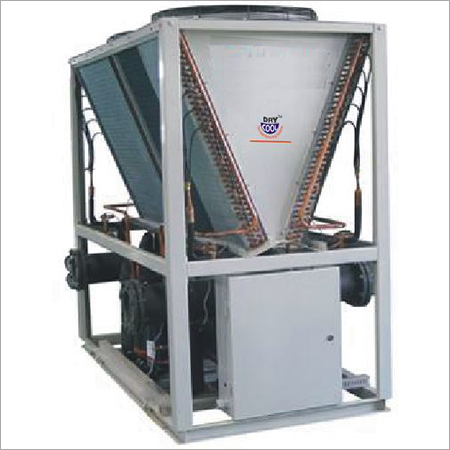
Industrial Glycol Chillers
200000.00 - 1000000.00 INR/Unit
Product Details:
- Application Industrial Cooling, Process Cooling, Food & Beverage, Pharmaceuticals
- Air Flow 2500 CFM
- Motor 1.5 HP
- Material Mild Steel Body with Powder Coating
- Refrigerating Capacity 10 TR (Ton of Refrigeration)
- Condition New
- Type Packaged Water Chiller
- Click to View more
X
Industrial Glycol Chillers Price And Quantity
- 1 Piece
- 200000.00 - 1000000.00 INR/Unit
- -5C to +15C
- Thermostatic Expansion Valve
- R-407C / R-134a
- LCD Digital Display
- Heavy Duty Lockable Castor Wheels
- Closed Cell PUF Insulation
- Microprocessor Based Digital Controller
- High/Low Pressure Switch, Overload Protector, Phase Protection Relay
- Air Cooled Finned Tube Condenser
- PHE (Plate Heat Exchanger)
Industrial Glycol Chillers Product Specifications
- Three Phase
- Below 68 dB(A)
- Packaged Water Chiller
- Stainless Steel
- 2.5 m/h
- 1700 x 900 x 1450 mm
- New
- 10 TR (Ton of Refrigeration)
- Hermetically Sealed Scroll Compressor
- 1.5 HP
- Mild Steel Body with Powder Coating
- 2500 CFM
- Copper
- Industrial Cooling, Process Cooling, Food & Beverage, Pharmaceuticals
- Centrifugal Pump with Stainless Steel Impeller
- Air Cooled
- 415 V
- -5C to +15C
- Thermostatic Expansion Valve
- R-407C / R-134a
- LCD Digital Display
- Heavy Duty Lockable Castor Wheels
- Closed Cell PUF Insulation
- Microprocessor Based Digital Controller
- High/Low Pressure Switch, Overload Protector, Phase Protection Relay
- Air Cooled Finned Tube Condenser
- PHE (Plate Heat Exchanger)
Industrial Glycol Chillers Trade Information
- Cash in Advance (CID), Cheque, Cash Advance (CA)
- 10 Piece Per Week
- 3 Week
- Wooden Packing, As per product
- Central America, Western Europe, Middle East, Eastern Europe, South America, Asia, North America, Australia, Africa
- All India
- ISO 9001:2015
Product Description
Industrial glycol chillers are refrigeration systems that use glycol as the coolant to remove heat from a process or equipment. Glycol is a common coolant used in many industrial applications because of its excellent heat transfer properties and low freezing point.Glycol chillers work by circulating a mixture of glycol and water through a refrigeration system that cools the fluid down to the desired temperature. The chilled glycol is then circulated through a heat exchanger, where it absorbs heat from the process or equipment being cooled.
Industrial glycol chillers can be used in a wide range of applications, including food and beverage processing, pharmaceutical manufacturing, chemical processing, and HVAC (heating, ventilation, and air conditioning) systems. They can be designed to provide precise temperature control, high efficiency, and low maintenance requirements.When selecting an industrial glycol chiller, it is important to consider factors such as the size of the cooling load, the required temperature range, the type of process being cooled, and the operating environment. Working with an experienced supplier can help ensure that the chiller is designed and installed to meet the specific needs of the application.
FAQ
1. What are industrial glycol chillers?
Answer: Industrial glycol chillers are cooling systems that use a mixture of water and glycol to cool production or process equipment. The glycol mixture ensures that the water does not freeze, allowing the chiller to operate in cold climates.
2. What are the benefits of using an industrial glycol chiller?
Answer: Industrial glycol chillers offer several advantages including improved efficiency, cost savings, and improved safety. They are capable of operating in cold climates and reducing the risk of equipment freezing. Additionally, they are more energy efficient than air-cooled chillers and can reduce overall operating costs.
3. What is the difference between air-cooled and water-glycol chillers?
Answer: Air-cooled chillers use air to cool the system, while water-glycol chillers use a mixture of water and glycol to cool the system. Water-glycol chillers are more energy efficient and can operate in colder climates than air-cooled chillers.
4. How do you maintain an industrial glycol chiller?
Answer: Regular maintenance is key to keeping your industrial glycol chiller running properly. Make sure to check the glycol mixture levels and pH levels regularly, as well as inspect the evaporator and condenser coils for any buildup of dirt and debris. Additionally, it is important to perform regular cleaning of the condenser and evaporator coils to ensure optimal performance.
Advanced Cooling Technology
Utilizing a thermostatic expansion valve and R-407C/R-134a refrigerant, these chillers provide efficient and stable cooling between -5C and +15C. The microprocessor-based digital controller and LCD display enable precise temperature management, enhancing reliability for your critical processes.
Robust Safety & Efficiency Features
Equipped with comprehensive safety mechanismssuch as high/low pressure switches, overload protectors, and phase protection relaysour glycol chillers protect your investment by preventing operational faults and ensuring consistent performance with low noise levels below 68 dB(A).
Flexible Industrial Applications
Ideal for process cooling in various sectors, from pharmaceuticals to food & beverage, these packaged water chillers offer a refrigerating capacity of 10 TR and deliver stable water flow (2.5 m/h) and air flow (2500 CFM), supporting demanding industrial environments nationwide.
FAQs of Industrial Glycol Chillers:
Q: How does the microprocessor-based digital controller enhance chiller performance?
A: The advanced digital controller optimizes the chillers performance by continuously monitoring and regulating temperature, allowing for precise cooling adjustments, quick troubleshooting, and real-time display updates via an LCD panel. This increases cooling efficiency and reduces manual intervention.Q: What industries benefit most from this glycol chiller?
A: These chillers are ideal for industries requiring consistent and precise cooling, such as pharmaceuticals, food & beverage, chemicals, and general industrial processes. Their robust design and versatility meet critical temperature control needs in these sectors.Q: When should maintenance be performed on this chiller?
A: Routine maintenance is recommended every 36 months, depending on usage and operational conditions. Regular checks of the compressor, refrigerant levels, expansion valve, and overall system ensure optimal performance and longevity.Q: Where can the industrial glycol chiller be installed?
A: Designed for flexibility, the chillers compact packaged design and heavy-duty castor wheels allow for easy installation and mobility within factories, production floors, or dedicated cooling rooms, ensuring minimal disruption during installation or relocation.Q: What process does the PHE (Plate Heat Exchanger) evaporator follow in chilling?
A: The PHE evaporator efficiently transfers heat between the process glycol/water mixture and the refrigerant, maximizing turbulence for better heat exchange. This ensures rapid chilling and stable temperature control, optimizing process efficiency.Q: How does the chillers safety feature protect operations?
A: Safety mechanisms such as high/low pressure switches, overload protectors, and phase protection relays automatically shut down or adjust operations to prevent damage from faults, electrical issues, or abnormal pressure, enhancing overall machine safety and uptime.Q: What are the benefits of using a thermostatic expansion valve in this system?
A: The thermostatic expansion valve precisely controls refrigerant flow into the evaporator, optimizing cooling efficiency, reducing energy consumption, and helping maintain consistent temperatures under varying operational loads.Tell us about your requirement

Price:
Quantity
Select Unit
- 50
- 100
- 200
- 250
- 500
- 1000+
Additional detail
Mobile number
Email

Other Products in 'Glycol Chillers' category

Contact Details
DRYCOOL SYSTEMS INDIA (P) LTD.
GST : 09AABCD6383R1ZV
GST : 09AABCD6383R1ZV

- C-34, Sector 63,Noida - 201301, Uttar Pradesh, India
- Phone : 08045801669

- Mr Vatsal Verma (Director)
- Mobile : 08045801669
- Send Inquiry
 Send Inquiry


Quick Inquiry Form
 |
DRYCOOL SYSTEMS INDIA (I) P. LTD.
All Rights Reserved.(Terms of Use) Developed and Managed by Infocom Network Private Limited. |
