Product Description
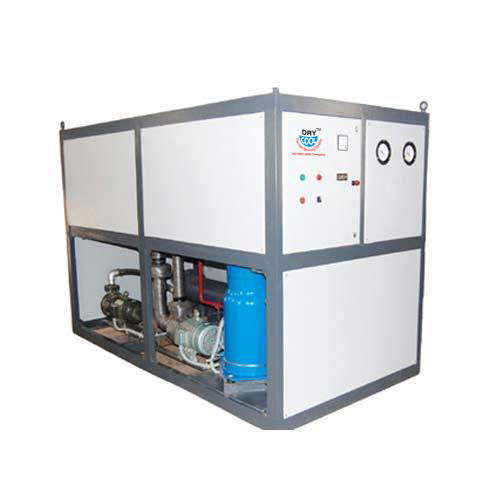
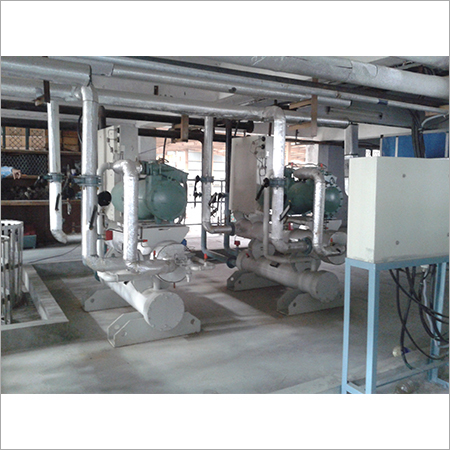
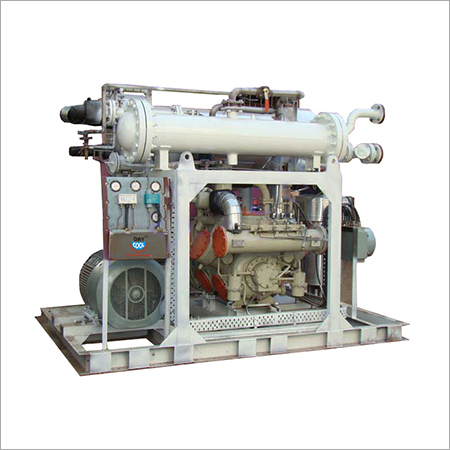
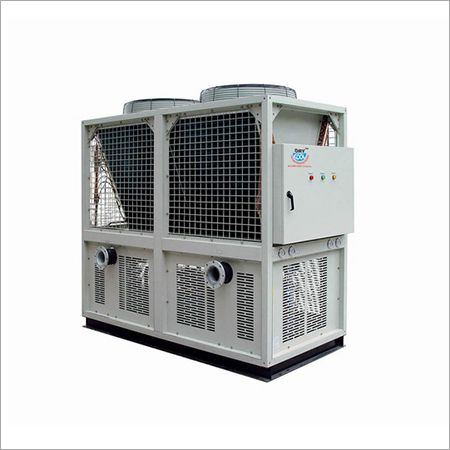
Water Cooling Chiller System for Plastic Industry Blow Molding Machine Processing PET Bottle, film, bags. During the bottle blowing process, the preform need to be heated and stretched out inside the mold, then compressed air is then forced out in controlled low-pressure stages through the hollow ramrod. Then it's time to provide cold water to the mold, so that the plastic form is forced out to the sides of the mold, remains uniformly thin and strong.
Blow molding is a manufacturing process used to create hollow plastic parts, such as bottles and containers, by inflating a heated plastic tube until it takes the shape of a mold. A blow molding chiller is a type of industrial chiller that is used to cool the molds used in this process. The chiller works by circulating chilled water or a refrigerant through the mold, which helps to rapidly cool the plastic and solidify it into the desired shape. This is important for maintaining the quality and consistency of the finished product, as well as increasing production efficiency by allowing for faster cycle times.
Blow molding chillers are typically designed to handle high heat loads and operate at low temperatures, typically between 20-35 degrees Celsius (68-95 degrees Fahrenheit). They may use air-cooled or water-cooled condensers, and may be equipped with a range of features such as digital temperature control, automatic water level control, and remote monitoring capabilities. Choosing the right blow molding chiller will depend on a variety of factors, including the size and complexity of the molds being used, the production volume, and the specific cooling requirements of the process. It is important to work with a knowledgeable supplier or manufacturer to select and install the right chiller for your specific needs.
FAQ
1. What is a blow moulding chiller?
Ans - A blow moulding chiller is a type of cooling system specifically designed to cool the plastics used in blow moulding processes. The chiller uses a refrigeration cycle to cool the plastic, allowing it to be extruded and shaped into the desired product.
2. What are the benefits of using a blow moulding chiller?
Ans - Using a blow moulding chiller can provide a number of benefits, including a more consistent and reliable cooling of the plastic, which can improve the quality of the finished product. Additionally, using a chiller can help to reduce energy costs by using less energy than other cooling methods.
3. What are the types of blow moulding chillers?
Ans - There are two main types of blow moulding chillers - water-cooled and air-cooled. Water-cooled chillers are more efficient and provide better cooling capabilities than air-cooled chillers.
4. How do I choose the right blow moulding chiller for my process?
Ans - Choosing the right blow moulding chiller depends on several factors, including the type of plastic being moulded, the size and shape of the product, and the process parameters. It is important to consult with an experienced chiller manufacturer to determine the best chiller for your particular application.
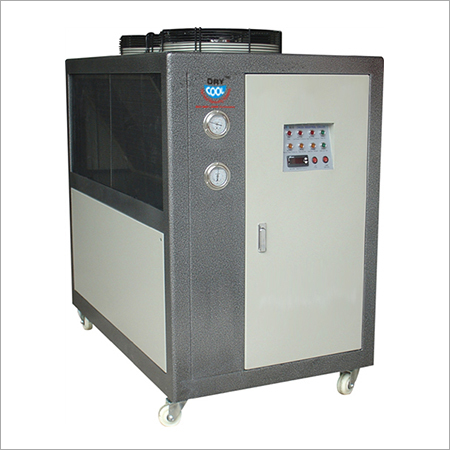
Precision Temperature ControlThis chiller guarantees consistent and precise temperature management for blow moulding machines, safeguarding process quality. Supported by a digital microprocessor control and LED display, users can easily monitor and set temperatures within the 5C to 25C range, adapting to various plastic moulding requirements.
Robust Protection & ConstructionEquipped with advanced safety featuresoverload, phase failure, and high/low pressure switchesthe chiller ensures reliable operation. Its mild steel powder-coated body, copper cooling coils, and PUF-insulated water tank offer durability and enhanced thermal efficiency, extending equipment lifespan.
Flexible Installation and MobilityDesigned for easy movement, the chiller integrates caster wheels for convenient relocation within industrial environments. With 1-inch BSP fittings and a compact size, installation and maintenance are streamlined, making it suitable for diverse production setups.
FAQs of Blow Moulding Chiller:
Q: How does the blow moulding chiller operate within a temperature range of 5C to 25C?
A: The blow moulding chiller uses a shell and tube evaporator with a digital microprocessor controller, allowing precise regulation of water temperature between 5C and 25C. Adjustments are visible through the LED display, ensuring optimal conditions for plastic processing.
Q: What type of refrigerants can be used with this chiller?
A: This chiller supports three refrigerants: R-22, R-407C, and R-134a, enabling users to select the one that best suits their process, regulatory preferences, or environmental considerations.
Q: When should I use the blow moulding chiller for my production process?
A: The chiller should be employed whenever maintaining a controlled cooling temperature is required during blow moulding operations, particularly for efficient product formation and enhanced cycle times.
Q: Where can the chiller be installed within a production setup?
A: The chillers caster wheels and compact dimensions make it ideal for installation near blow moulding machines or other process areas. Its air-cooled system allows flexible placement, even in settings with ambient temperatures up to 45C.
Q: What process does the chiller follow to maintain low noise operation?
A: Low noise operation is achieved through careful design, including scroll type hermetically sealed compressors and optimal air flow (3500 m/h), reducing vibration and disturbance during operation.
Q: How does the units protection system benefit users?
A: The integrated safety mechanismsincluding overload, phase failure, and high/low pressure switchesprotect both the chiller and connected equipment from electrical or mechanical faults, minimizing downtime and maintenance costs.
Q: What are the main usage and benefits of this blow moulding chiller?
A: It is used for chilling blow moulding machines, ensuring stable and rapid cooling. Benefits include enhanced product consistency, extended machinery life, energy-efficient performance, and ease of movement and installation due to its robust and insulated design.