- Home Page
- Company Profile
-
Our Products
- Industrial Chillers
- Blow Moulding Chiller
- Water Cooled Chillers
- Acid Chillers
- Injection Moulding Chiller
- Beverage Chillers (Juice Chillers)
- Chiller for Extrusion Lines
- Chiller For Anodizing
- Anodising Chiller
- Chiller For Anodising
- Co2 Gas Chillers
- Ammonia Milk Chillers
- Bio Gas Chillers
- Bottling Plant Chillers
- Industrial Process Chillers
- Low Temperature Chillers
- Chiller For Electroplating
- Batching Plant Chiller
- Air Chiller
- Air Cooled Scroll Chiller (Single Compressor)
- Chilling Plant Turnkey Project
- Blown Film Plant Chillers
- Industrial Scroll Chillers
- Semi Hermetic Chiller
- Laminating Chillers
- Screw Chillers
- Scroll Water Chiller
- Cooling Tower
- Chilling Plants
- Oil Chillers
- Scroll Chiller
- Glycol Chillers
- Chillers
- Screw Type Water Chiller
- Air Cooled Chillers
- Industrial Chillers
- Extra Links
- Contact Us

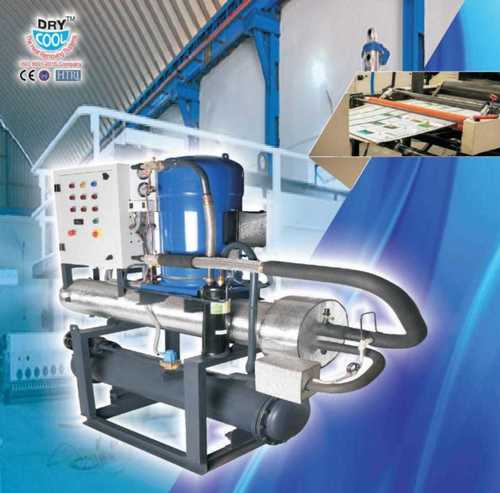
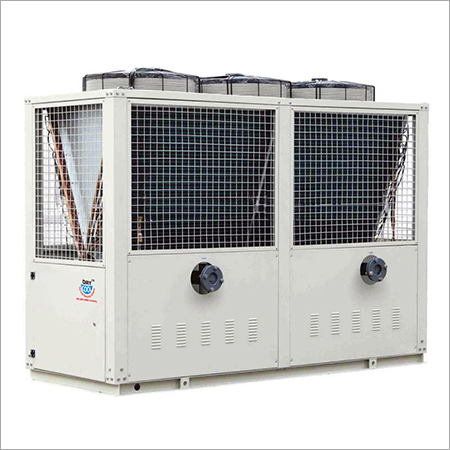
Laminating Chillers
490000 INR/Piece
Product Details:
- Motor Single / Three Phase Electric Motor
- Refrigerating Capacity 3.5 TR (Tons of Refrigeration) to 50 TR
- Air Flow High Efficiency Fan Forced
- Material Mild Steel Powder Coated Body
- Application Industrial Laminating Machines, Printing and Packaging Equipment
- Condition New
- Type Air Cooled Water Chiller
- Click to View more
X
Laminating Chillers Price And Quantity
- 1 Piece
- 100000.00 - 1000000.00 INR/Piece
- 490000 INR/Piece
Laminating Chillers Product Specifications
- Industrial Laminating Machines, Printing and Packaging Equipment
- As per Model (Standard/Custom Sizes Available)
- Hermetically Sealed Rotary / Scroll type
- Mild Steel Powder Coated Body
- Brass / Stainless Steel
- 220 V - 440 V
- High Efficiency Fan Forced
- 3.5 TR (Tons of Refrigeration) to 50 TR
- Centrifugal Pump, TEFC Motor
- Single / Three Phase Electric Motor
- Air Cooled Water Chiller
- Low Noise Design (<75 dB)
- 230V/380V/415V, 50 Hz AC
- New
- 60 - 220 LPM (Liters per Minute)
- Copper with Aluminium Fins
- Air Cooled
- Paper, Plastic, Textile Lamination
- Brazed Plate/ Shell & Tube
- LED/LCD Indication
- Overload Protection, Phase Failure Relay, High/Low Pressure Switch
- Thermostatic Expansion Valve
- +5°C to +25°C Adjustable
- 1 inch to 2.5 inch BSP/NPT
- R22/R407C/R410A/R134A
- White / Blue / Grey (Customizable)
- Upto 45°C
- 40 to 300 Liters (as per model)
- Heavy Duty for Easy Mobility
- Easy Access Panels for Maintenance
- 1 to 4, Depending on model
- Digital Microprocessor Controller
Laminating Chillers Trade Information
- 5 Piece Per Month
- 15 Days
- South America, Middle East, Africa, Western Europe, Australia, Central America, Eastern Europe, Asia, North America
- All India
Tell us about your requirement

Price:
Quantity
Select Unit
- 50
- 100
- 200
- 250
- 500
- 1000+
Additional detail
Mobile number
Email

Other Products in 'Industrial Chillers' category

Contact Details
DRYCOOL SYSTEMS INDIA (P) LTD.
GST : 09AABCD6383R1ZV
GST : 09AABCD6383R1ZV

- C-34, Sector 63,Noida - 201301, Uttar Pradesh, India
- Phone : 08045801669

- Mr Vatsal Verma (Director)
- Mobile : 08045801669
- Send Inquiry
 Send Inquiry


Quick Inquiry Form
 |
DRYCOOL SYSTEMS INDIA (I) P. LTD.
All Rights Reserved.(Terms of Use) Developed and Managed by Infocom Network Private Limited. |
